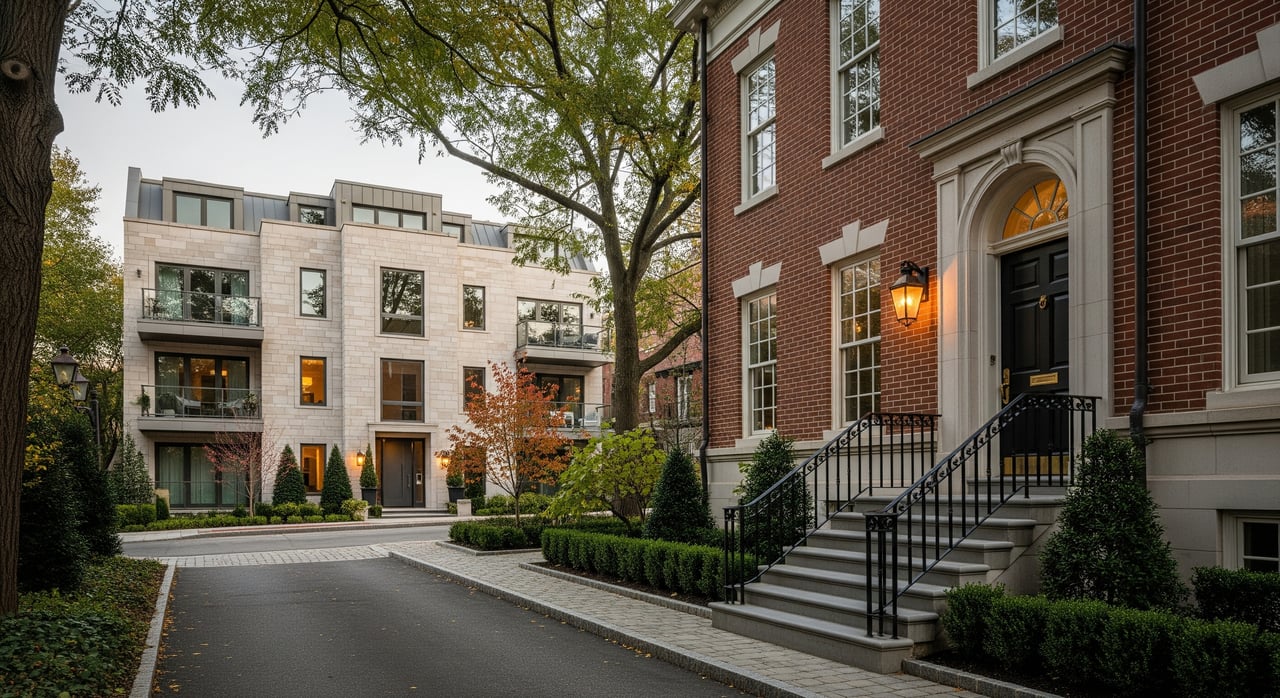
Not sure if a townhouse or a condo is the better fit for your life in Robbinsville? You are not alone. Many first-time buyers and downsizers weigh the same tradeoffs around ownership, HOA fees, maintenance, financing, and long-term value. This guide breaks down the differences in plain English, with practical checklists you can use in Robbinsville Township. Let’s dive in.
Ownership basics
What a condo owner owns
When you buy a condominium, you own the interior of your unit and a shared interest in common elements. Common elements can include the roof, exterior walls, hallways, grounds, and amenities. A homeowners or condo association manages these shared areas under recorded rules and bylaws. The association collects dues, enforces community standards, and budgets for maintenance and reserves.
Townhome ownership models
Townhomes can be structured in two ways. In a fee-simple townhome, you own the land and the structure, which often means you handle the exterior unless the HOA covers certain tasks by contract. In a condo-style townhome, each unit is legally a condo, so the association manages exteriors and land as common elements. This hybrid is common in planned communities and directly impacts your responsibilities and costs.
Why ownership type matters
Ownership defines who fixes the roof, who insures the building shell, and how budgets are funded. It also affects your closing paperwork, the type of homeowners insurance you buy, and how lenders underwrite your loan. Before you fall in love with a property, confirm the legal structure by reviewing the deed, MLS details, and public records. Your agent can help you verify this in Mercer County records.
Costs to compare
HOA dues and inclusions
HOA or condo fees vary based on amenities, services, and management. Condos often include more exterior work, reserve funding, and sometimes utilities, which can mean higher dues. Fee-simple townhomes may have lower dues if owners handle exterior maintenance themselves. Ask what the fee covers, how reserves are funded, and whether a professional management company is involved.
Taxes and utilities
Property taxes are based on assessed value, not the label of condo or townhouse. In practice, assessed values can differ due to size, lot, and features. Some condo associations bundle utilities like water or trash, while most fee-simple townhomes keep utilities in the owner’s name. Compare out-of-pocket costs across both options, not just the purchase price.
Insurance differences
Condo associations carry a master policy for common elements and sometimes the building shell. You would buy an HO-6 policy to cover your interior, personal property, improvements, and liability. Fee-simple townhome owners typically carry a standard homeowners policy that covers the structure as well as personal property and liability. Confirm whether the master policy is “bare walls-in” or “all-in,” then match your personal policy to fill gaps.
Special assessments and reserves
Special assessments occur when big projects or budget gaps exceed reserves. Review recent association financials, meeting minutes, reserve studies, and assessment history. Healthy reserves and clear planning reduce the risk of surprise costs. Ask about planned capital projects in the next 5 years.
Maintenance and responsibilities
Interiors versus exteriors
Condo owners focus on the interior, while the association handles exterior and common areas. Fee-simple townhome owners often manage roofs, siding, driveways, and yards unless the HOA contracts those items. Always verify responsibilities in the CC&Rs and bylaws, since rules vary by community.
Rules and everyday life
Associations set standards for architectural changes, landscaping, parking, rentals, and pets. Some communities have robust amenities and detailed rules, while others keep it simple. Read the rules before you write an offer so you understand day-to-day expectations, guest parking, and approval processes for changes.
Financing and approvals
How lenders view condos
Condos can face extra underwriting. Lenders may review owner-occupancy ratios, delinquency rates, insurance coverage, reserves, litigation, and the overall financial health of the association. Fee-simple townhomes are usually underwritten like single-family homes, which can be simpler.
FHA, VA, and agency standards
FHA and VA loans require that the condo project meets government guidelines. Not all buildings or associations are approved. Fannie Mae and Freddie Mac also have project standards for conventional loans. If you plan to use FHA or VA, check a project’s approval status early so you do not waste time on ineligible communities.
Tips for first-time buyers
If you are depending on low-down-payment financing, clarify your loan options with your lender before touring homes. Ask about condo project requirements, down payment guidelines, and PMI differences for condos versus townhomes. Make sure your agent and lender coordinate early on project approval and needed documents.
Lifestyle fit in Robbinsville
Space, privacy, and noise
Condos often offer low-maintenance living with shared amenities, which appeals to downsizers and busy professionals. Townhomes can deliver more private entries, multi-level layouts, and sometimes a small yard or patio. Consider where you spend time at home and whether you value a private garage, outdoor space, or an elevator.
Parking and outdoor areas
Check for assigned parking, garage options, and guest spaces. For outdoor space, compare patios, balconies, or small yards in townhomes to any shared green areas in condo communities. Match the setup to your daily routines, pets, and hobbies.
Commute and convenience
Robbinsville offers suburban convenience with access to major corridors like I-195, I-295, and the New Jersey Turnpike. Proximity to shopping, parks, and services can vary by development. Map your daily routes and see how each community fits your routine.
Resale and long-term value
Demand patterns
In suburban markets like Robbinsville, some buyers prioritize space, garages, and private entries, which can favor townhomes. Others seek low-maintenance living with amenities, which can favor condos. Either option can resell well when it aligns with local demand and is priced correctly.
Association health matters
Well-run associations with clear rules, adequate reserves, and no active litigation are more attractive to buyers and lenders. Review budgets, reserve studies, and meeting minutes. Homes in stable, transparent communities tend to market more smoothly.
Quick decision checklist
- Confirm ownership type: fee-simple townhome or condo-style ownership for a townhome, versus traditional condo.
- Review HOA coverage: exterior care, landscaping, snow removal, amenities, utilities.
- Inspect finances: reserves, recent special assessments, budget, meeting minutes, insurance certificates.
- Clarify maintenance: roof, siding, driveways, windows, decks, and yard responsibilities.
- Check rules: architectural changes, pet policies, rental limits, parking and guest parking.
- Align financing: condo project approval for FHA/VA, conventional condo standards, down payment and PMI differences.
- Compare total monthly cost: mortgage, taxes, HOA dues, utilities, insurance.
- Test lifestyle fit: space, privacy, outdoor areas, garage and parking, amenity needs.
- Consider resale: local demand for the product type, association stability, recent comps and days on market.
What to verify locally
- Deed and public records to confirm ownership structure for any Robbinsville listing.
- HOA documents, bylaws, and resale certificate to confirm rules, coverage, and any planned projects.
- Master insurance policy to understand whether your policy must cover the building shell.
- Reserve study date and assessment history for the last 5 years.
- FHA/VA approval status if you plan to use those loans.
- Current MLS data for pricing trends, days on market, and inventory for condos versus townhomes.
- Parking arrangements, guest policies, and any storage or bike room details.
- Commute and daily routine mapping to key routes and services.
How we can help
Choosing between a townhouse and a condo is easier when you see the full picture. Our team reviews HOA documents, coordinates with lenders on condo approvals, and helps you compare total monthly costs across options. We also guide you through inspections, insurance needs, and association disclosures so you can move forward with confidence.
If you are exploring Robbinsville or nearby suburbs, we are ready to help you find the right fit and negotiate the best terms. Schedule a friendly planning call with Carla Z Campanella to get tailored guidance and local options that match your goals.
FAQs
How do HOA fees compare for condos and townhomes in Robbinsville?
- There is no fixed rule, since condos often include more exterior and amenity costs while fee-simple townhomes may have smaller dues if owners handle exteriors; verify current coverage and amounts with each association.
Which is easier to finance, a townhouse or a condo?
- Fee-simple townhomes are generally simpler for lenders, while condos may require project-level reviews and can be subject to FHA, VA, and agency eligibility standards.
In Robbinsville, who is responsible for the roof, driveway, and lawn?
- Responsibility depends on the legal structure and HOA covenants, so confirm in the deed and association documents for each specific community.
Can I rent out a condo or townhome in Robbinsville?
- Possibly, but many associations have rental restrictions or registration requirements, so review the governing documents for the exact policy before you buy.
What should a downsizer consider when choosing a condo or townhome?
- Focus on maintenance level, HOA services like lawn and snow, elevator access versus stairs, parking and garage needs, and proximity to services and healthcare.
