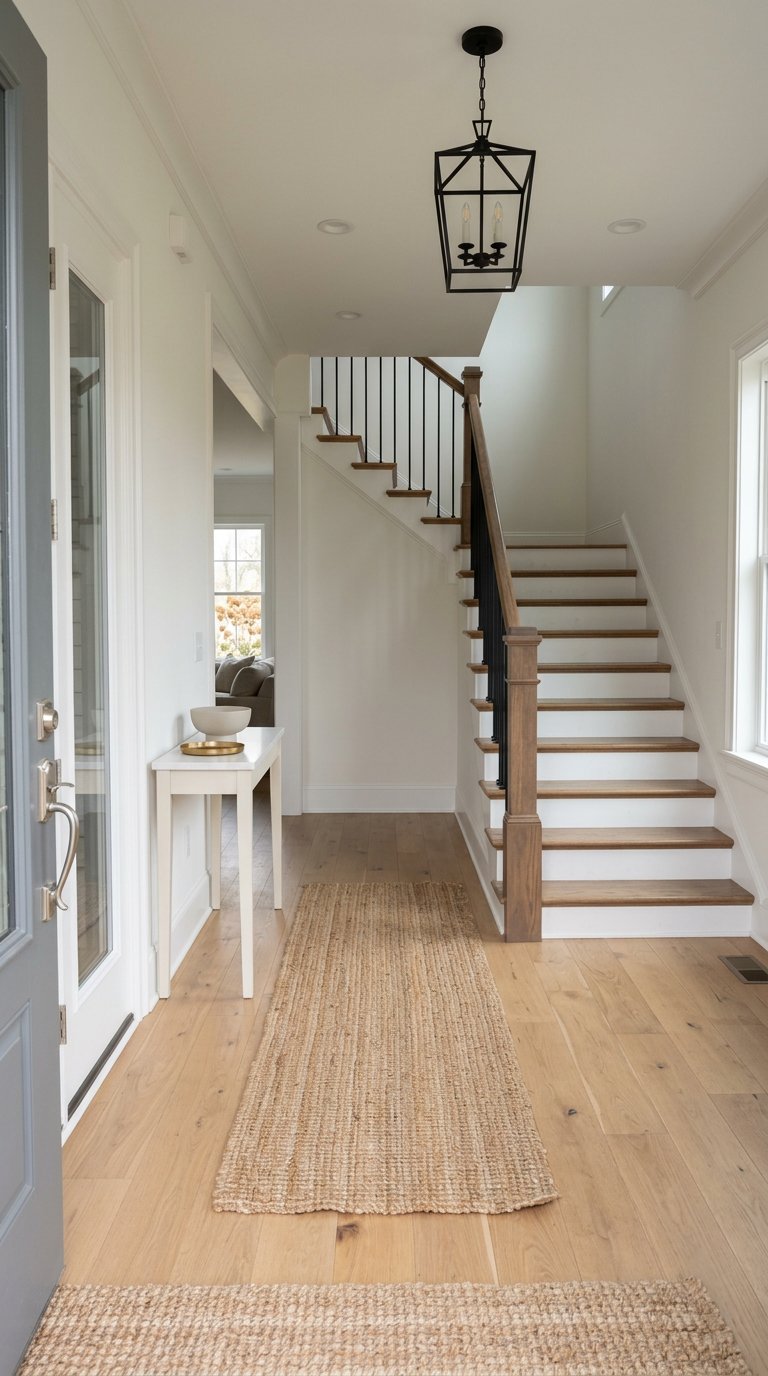
Thinking about selling your home in Allentown, NJ? In a small borough where just a handful of sales can shift the numbers, it is easy to second‑guess timing, pricing, and what to fix before you list. You want a clear plan that fits New Jersey rules and the Monmouth County market so you can move on with confidence. In this guide, you will learn the exact steps, local timelines, and compliance items you must know to sell smoothly in Allentown. Let’s dive in.
Know your market in a small borough
Allentown is a small Monmouth County borough, which means town‑level prices can swing when only a few homes sell. Use county trends for general timing, then anchor your price with a current comparative market analysis from a local agent. For closed‑sale context, you can also review the state’s municipal sales tables for recent averages in each town using the New Jersey Treasury’s municipal file for 2024. You will see how small samples create bigger swings than you might expect in a larger market. Review the state’s municipal averages in the New Jersey Treasury’s residential sales tables to understand recent closed prices across towns.
Check New Jersey’s municipal residential sales tables.
Your step‑by‑step plan and timeline
Below is a practical roadmap from prep to closing, with realistic New Jersey timelines.
1) Prepare to list, 2 to 6 weeks
Start early so your launch is smooth and complete.
- Gather documents: deed, prior surveys, permit records, tax bill, appliance manuals, warranties, and any HOA or condo resale docs if applicable.
- Complete the New Jersey Seller’s Property Condition Disclosure Statement and plan to include the flood addendum. Draft it now so your agent and attorney can review it before you go live.
- Consider a pre‑listing inspection to surface safety and maintenance issues before buyers tour your home. Many listing agents recommend this because inspection surprises are a top cause of renegotiations and cancellations. Learn how a pre‑listing inspection helps.
- Prioritize common repairs: roof flashing and shingles, grading and surface drainage, sump pump and basement moisture mitigation, HVAC tune‑up, water heater, visible electrical hazards, and permits for past alterations.
Most sellers finish prep in two to six weeks depending on contractor availability and the scope of repairs.
2) Price and launch your listing
Lean on a fresh CMA, not just automated estimates, to set a competitive price without leaving money on the table. Professional photography, thoughtful staging, and a compelling listing description help you capture attention in the first week. The Monmouth County market often sees stronger buyer activity from late winter through spring, though your home type and price band will affect the best timing. Ask your agent for a marketing plan that combines high‑quality media and targeted online exposure.
3) Showings and offer strategy
Expect early showings if you launch with the right price and presentation. When offers arrive, review terms beyond price, including contingencies, closing timelines, and financing strength. Industry practices changed after the 2024 settlement regarding buyer‑broker compensation, and many MLSs no longer display offers of buyer‑agent pay. Talk with your agent about how buyer‑broker compensation is handled in your area and how it may affect your net proceeds. Read an overview of post‑settlement compensation practices.
4) Under contract in New Jersey, 3 to 8 weeks
- Attorney review: New Jersey contracts typically include a three business day attorney review period right after you sign. Either party can cancel or request changes during this window, so having an attorney ready is smart. See a New Jersey closing overview that explains attorney review.
- Inspections: Buyers usually order a general inspection and may add specialists for septic, roof, HVAC, or pests. Pre‑listing repairs can reduce back‑and‑forth and keep your deal on track.
- Appraisal and underwriting: If the buyer is financing, plan roughly 30 to 45 days from contract to close in routine cases. Appraisal issues or complex loans can extend that to 45 to 60 days.
5) Closing day and what you will pay
Your main seller costs typically include broker commissions, prorated taxes and utilities, attorney fees, and New Jersey’s Realty Transfer Fee at recording. The state recently added a graduated supplemental fee for higher‑value transfers, so it is smart to confirm your estimated fee early. You can review the rules on the state’s site and ask your attorney or title company for a line‑item estimate.
At closing, you will sign the deed and required affidavits, the buyer’s lender will fund, and the title company or attorney will record the transfer. Plan your move‑out so the home is broom‑clean and keys are ready for delivery.
New Jersey compliance checklist for sellers
Complete these items early so nothing delays your closing.
- Seller’s disclosure: Provide the New Jersey Seller’s Property Condition Disclosure Statement to the buyer before they become contractually obligated, which includes flood risk questions and addendum. Download the state disclosure form.
- Flood risk notice: New Jersey’s Flood Risk Notification law requires disclosure of flood history and risk. Use the state’s guidance and tool to gather FEMA zone and flood history details if available. Read the state’s Flood Risk Notification guidance.
- Lead‑based paint for pre‑1978 homes: Provide the EPA/HUD lead pamphlet, a lead warning statement, and any known reports. Buyers get a 10‑day inspection period unless waived. Review the EPA’s lead disclosure requirements.
- Radon: If the home has recent radon test results or a mitigation system, disclose that information on the seller’s form and provide documentation when requested.
- Municipal certificates: Many New Jersey towns require a smoke detector, carbon monoxide detector, and fire extinguisher compliance certificate before sale. Confirm Allentown’s requirements early with the borough’s fire prevention or building office. See an example of a municipal resale safety checklist.
- Realty Transfer Fee: The seller usually pays this at recording. FY2026 changes added a supplemental fee for higher‑value transfers. Ask your attorney or title company for an estimate based on your price. Review the RTF information and schedules.
- Attorney and title practice: New Jersey commonly uses attorneys for contract review and closing documents. Confirm who will prepare the deed, payoff letters, settlement statements, and title affidavits.
Pricing, repairs, and timing tips for Allentown sellers
Price for a small sample market
In a small market like Allentown, one or two unique sales can skew averages. A strong CMA that blends Allentown comps with relevant nearby town sales and recent tax records will give you a defensible list price. The right starting price shortens your days on market and helps you secure better terms from qualified buyers.
Avoid inspection surprises
A focused pre‑listing inspection and quick fixes for safety and moisture items can pay off. Address roof flashing, drainage, sump pump performance, GFCI protection, and any visible hazards. Keep receipts and simple documentation so buyers see a well‑maintained home. Learn why pre‑listing inspections reduce deal risk.
Time your sale and next purchase
If you plan to buy and sell at the same time, map your financing and possession options before you list. Home sale contingencies can weaken a buyer’s offer in a competitive pocket of the market, which may affect your own purchase timing. An experienced agent can coordinate dates, prepare for appraisals and inspections, and build in buffers that keep both closings aligned.
Consider post‑closing possession
When you need extra time after closing to move, you can often negotiate a short rent‑back or use and occupancy agreement. Define rent, security deposit, insurance, utilities, and a firm vacate date, and confirm the buyer’s lender allows it. Your agent and attorney will document the arrangement so both sides are protected.
Quick seller checklist
- Get a current CMA from a local agent to set a realistic price for Allentown and nearby comparables.
- Complete the New Jersey seller’s disclosure and flood addendum up front so you are ready for buyers.
- Order a pre‑listing inspection and handle safety or moisture items before launch.
- Confirm local smoke, CO, and fire extinguisher certificate requirements with the borough office.
- Budget for agent fees, New Jersey’s Realty Transfer Fee, prorated taxes, and attorney fees.
- Discuss move‑out timing options, including a short rent‑back if needed.
Ready to talk through pricing, timing, and a tailored marketing plan for your Allentown home? Connect with a local, relationship‑focused team that understands how to price and present in small Monmouth County markets. Schedule your free consultation with Carla Z Campanella to get a data‑driven plan and a smooth path to closing.
FAQs
Do Allentown NJ sellers have to complete a disclosure form?
- Yes. New Jersey requires the Seller’s Property Condition Disclosure Statement, and it must be delivered before the buyer becomes contractually obligated. The form includes flood risk questions and an addendum.
What is New Jersey’s attorney review period for home sales?
- Once both parties sign the contract, there is a three business day attorney review period in which either side can cancel or request changes. Having an attorney ready helps keep your deal on schedule.
How long does it take to close after accepting an offer in Monmouth County?
- For financed purchases, most closings take about 30 to 45 days in straightforward cases. Appraisal issues, complex loans, or significant inspection negotiations can extend the timeline to 45 to 60 days or more.
Who pays New Jersey’s Realty Transfer Fee when I sell?
- The seller typically pays the Realty Transfer Fee at recording. Recent changes added a supplemental fee for higher‑value transfers, so ask your attorney or title company for an estimate based on your price.
How did commission and buyer‑agent compensation change recently?
- Commission remains negotiable. Many MLSs stopped displaying offers of buyer‑agent compensation, and buyers often sign a written compensation agreement with their agent. Discuss how buyer‑broker pay is handled in your area so you can plan your net proceeds accurately.
