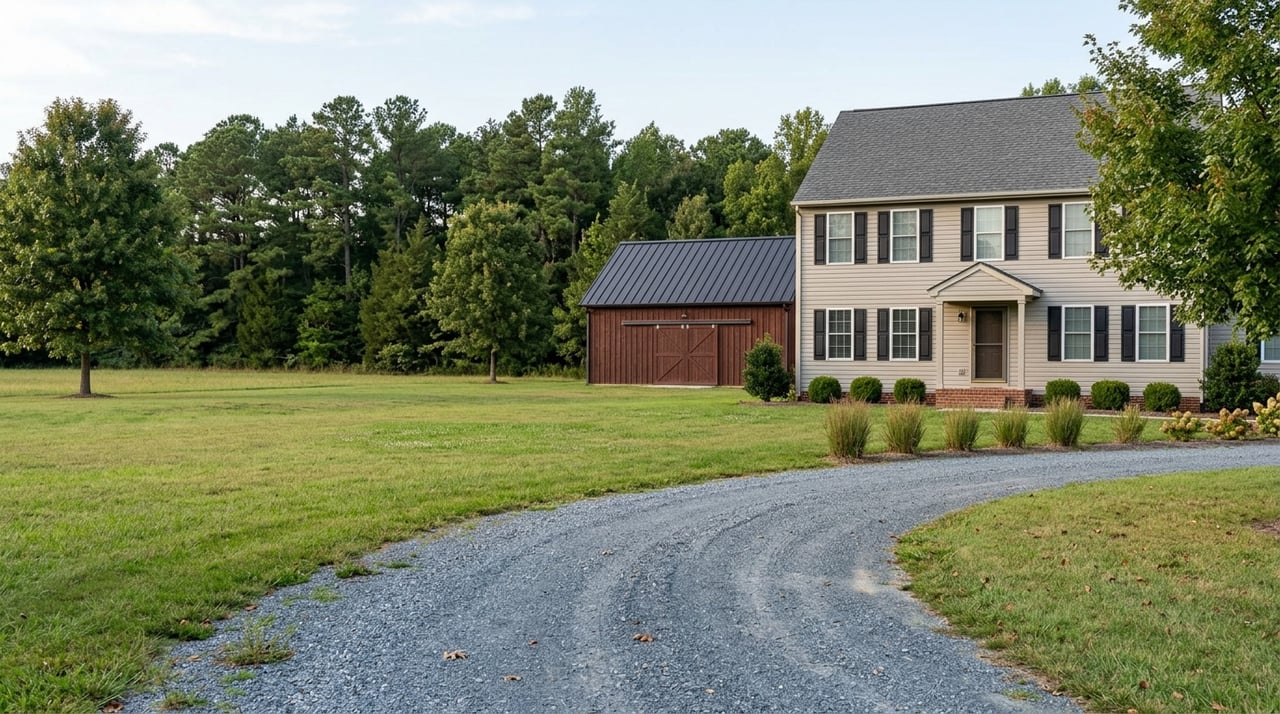
Looking for acreage in Upper Freehold is exciting, but it is very different from buying a typical house on a suburban lot. Here, the land itself is often the most important part of the purchase, and what you can do with it depends on zoning, access, buildable area, wells, septic, and possible farmland restrictions. If you want more space, a farm property, or land that supports horses or rural living, this guide will help you understand what to look for before you buy. Let’s dive in.
Why Upper Freehold attracts acreage buyers
Upper Freehold stands out because it remains a largely rural part of Monmouth County. The township’s planning documents describe the area as predominantly rural, with farmland and wooded land still shaping the landscape.
That rural setting appeals to buyers who want privacy, open space, or land for agricultural use. It also means your purchase decisions need to go beyond the house itself and focus on what the parcel can legally and practically support.
Why acreage purchases work differently here
In Upper Freehold, most properties are not served by public water and sewer. The township’s 2025 Housing Element says most of the area relies on private wells and septic systems, and only a limited number of lots connect to Allentown.
That changes the buying process in a big way. Before you get attached to a property, you need to understand whether the site has enough usable land for a home, well, septic system, driveway, and any additional improvements you may want.
Common parcel sizes in Upper Freehold
Parcel size in Upper Freehold depends heavily on the zoning district and the intended use. Minimums for homes and farms can be much larger than buyers expect if they are used to more suburban markets.
Here are a few examples buyers are most likely to encounter:
- Detached dwellings in the AR district require 6 acres.
- Detached dwellings in the RA-5 district require 10 acres.
- Farms require at least 5 acres.
- A single-family dwelling on a farm is allowed only if the farm is at least 6 acres.
In some major subdivisions in the AR district, lot averaging may create residential lots as small as 2 acres and as large as 10 acres, while still maintaining a 6-acre average. In conservation cluster layouts, at least 70% of the tract must be preserved, and remaining clustered lots can be as small as 1 acre.
That is why two properties with similar acreage on paper may have very different possibilities. One may be a standard residential lot, while another may be part of a larger preservation or cluster design with very different rules.
Zoning matters first
If you are buying acreage or a farm property, zoning should be one of your first checks. In Upper Freehold, the Land Use Department handles subdivision, site plan, conditional use, and variance applications, and the township posts its current zoning map.
You should confirm the district before relying on a listing description. A property in AR, RA-5, or another district may allow your intended use by right, allow it only as a conditional use, or require variance relief.
Uses you may see on rural parcels
Upper Freehold zoning allows a range of rural and farm-related uses. Depending on the parcel and district, uses can include:
- Single-family homes
- Farms
- Conservation or open space areas
- Barns
- Packing, grading, or storage buildings
- Livestock shelters
- Farm-worker housing
- Roadside farm stands
There are also specific rules that can affect layout. For example, livestock shelters must be at least 75 feet from property lines or other dwellings.
Horse and equine properties need extra review
Upper Freehold recognizes equine-oriented land use in its zoning framework. The code describes an equine community in the AR district as a conditional use concept involving a 100-acre tract with 70% preserved as an equine center.
For many buyers, that means horse property is not simply about finding a home with open land. You may need a parcel that can support barns, paddocks, access, and any related improvements under the current zoning rules.
Buildable area can be more important than total acreage
A parcel may look large in the listing, but that does not always mean all of the land can be used the way you hope. In Upper Freehold, the zoning code excludes freshwater wetlands, 100-year floodplains, slopes of 15% or greater, wetlands transition buffers, and detention or retention basins from the contiguous developable area needed for a residential lot.
That is one of the most important differences between acreage shopping and suburban home shopping. The number of acres matters, but the amount of usable land often matters more.
What buyers should picture on the site
As you evaluate a property, think through whether the buildable area can realistically fit:
- The house
- The septic system
- The potable water well
- The driveway
- A barn or outbuilding, if desired
- Paddocks or other farm-related improvements, if desired
The zoning code specifically notes that the one-acre buildable area for a residential lot must accommodate the house, septic, and well. That makes site layout a key part of due diligence.
Wells and septic deserve early attention
Because Upper Freehold is largely outside public water and sewer service areas, private utility systems are part of everyday reality for many acreage properties. This is not a minor detail. It can shape whether a parcel is practical for your plans.
If you are buying land to build on or buying a home with significant acreage, ask early how the property handles water and wastewater. You want to understand not just whether a well and septic exist, but whether the site configuration leaves room for what you may want to add later.
Frontage and access can limit your options
Road access is another issue that can surprise buyers. A parcel may have the right acreage total but still be limited by frontage requirements or driveway placement.
For county roads, Upper Freehold’s code requires 275 feet of frontage when driveway access is to County Route 524, 526, 537, or 539. If access is to a county road other than those routes, the required frontage is 250 feet, and the front-yard setback from the county road is 125 feet.
That is why it is smart to review recorded access and driveway feasibility early. A property that looks wide open from an aerial view may have tighter development options than expected once frontage and setbacks are applied.
Farmland assessment can affect cost and planning
If you are considering a working farm or land with an agricultural use, farmland assessment may come up as part of your decision. In New Jersey, farmland assessment generally requires at least 5 acres actively devoted to agricultural or horticultural use for the two years before the tax year, along with minimum gross income requirements.
This matters because buyers sometimes assume a favorable tax status will automatically continue after closing. In reality, you should verify whether the property currently qualifies, whether it has the necessary use history, and who will handle the application with the municipal assessor.
Right to Farm and commercial farm status
The Right to Farm Act defines a commercial farm as an operation of at least 5 acres producing at least $2,500 annually and meeting farmland assessment criteria. In Monmouth County, the county farmland program handles right-to-farm matters and deed-of-easement compliance.
If your goal is active agricultural use, these details are part of the property’s larger picture. They can influence both how the land operates and how you evaluate the purchase financially.
Preserved farmland comes with different rules
One of the biggest issues to check is whether a property is preserved farmland. Monmouth County describes its easement-purchase program as a way to retire development rights and keep land devoted to agriculture.
In practical terms, that means a preserved tract may come with restrictions that are very different from a standard residential parcel. If development rights have already been retired, your future plans for building or subdividing may be limited.
Before moving forward, buyers should confirm whether there is a conservation easement, farmland preservation deed, or another recorded restriction attached to the property. This is a critical step, especially if you are buying based on long-term plans.
Some smaller lots may still be buildable
Not every property that falls below today’s minimum lot size is automatically unusable. Upper Freehold’s code notes that some older substandard parcels may be grandfathered if they existed before the applicable cutoff dates.
That can create opportunity, but it also calls for careful verification. A smaller lot may be buildable under older rules, yet it still needs to be confirmed rather than assumed.
Questions to ask before you buy acreage
Acreage purchases are more site-specific than standard home purchases. Asking the right questions early can save you time, money, and frustration.
Here are some of the most important questions to ask:
- Which zoning district is the parcel in?
- Is your intended use permitted by right, conditionally, or only through variance relief?
- Is the lot currently buildable, or is it only grandfathered or nonconforming?
- Where is the actual buildable area on the site?
- Is there enough room for the home, well, septic, driveway, and any planned outbuildings?
- Is there a conservation easement, farmland preservation restriction, or deed limitation on the property?
- Does the parcel qualify for farmland assessment?
- Who will file or maintain the farmland assessment application with the municipal assessor?
How local guidance helps
Buying acreage in Upper Freehold often means coordinating more moving parts than a standard home purchase. You may need to confirm zoning, review the current township map, evaluate easements, understand whether the parcel is in AR or RA-5, and flag when a survey, septic review, or easement review should happen before the deal becomes firm.
That is where experienced local support can make the process smoother. When you are looking at land, farm properties, or equestrian-oriented parcels, it helps to work with a team that understands how rural transactions differ from more typical suburban purchases.
If you are considering acreage or farm property in Upper Freehold, Carla Z Campanella can help you evaluate the property with a local, practical lens and guide you through the next steps with clear communication and responsive service.
FAQs
What makes buying acreage in Upper Freehold different from buying a suburban home?
- Acreage purchases in Upper Freehold require closer review of zoning, buildable area, access, wells, septic, easements, and preservation status because the township is rural and most properties are not served by public water and sewer.
What lot sizes are common for homes and farms in Upper Freehold?
- Detached dwellings in the AR district require 6 acres, detached dwellings in RA-5 require 10 acres, farms require at least 5 acres, and a single-family home on a farm requires at least 6 acres.
What should you verify about zoning before buying land in Upper Freehold?
- You should verify the current zoning district, confirm whether your intended use is allowed by right or conditionally, and find out whether a variance would be needed for your plans.
Why are wells and septic systems important for Upper Freehold acreage properties?
- Most of Upper Freehold relies on private wells and septic systems, so buyers need to make sure the property has enough practical buildable area for the home, well, septic, and any planned improvements.
What is preserved farmland in Upper Freehold and why does it matter?
- Preserved farmland may have retired development rights and recorded restrictions that limit building or subdivision options, so buyers should confirm whether any easement or preservation deed affects the property.
Can a smaller older lot still be buildable in Upper Freehold?
- Yes, some older substandard parcels may be grandfathered under the zoning code, but buildability should always be confirmed before you rely on that assumption.
What should buyers ask about farmland assessment in New Jersey?
- Buyers should ask whether the land has at least 5 qualifying acres in agricultural or horticultural use, whether it meets income requirements, and who will handle the application with the municipal assessor.
