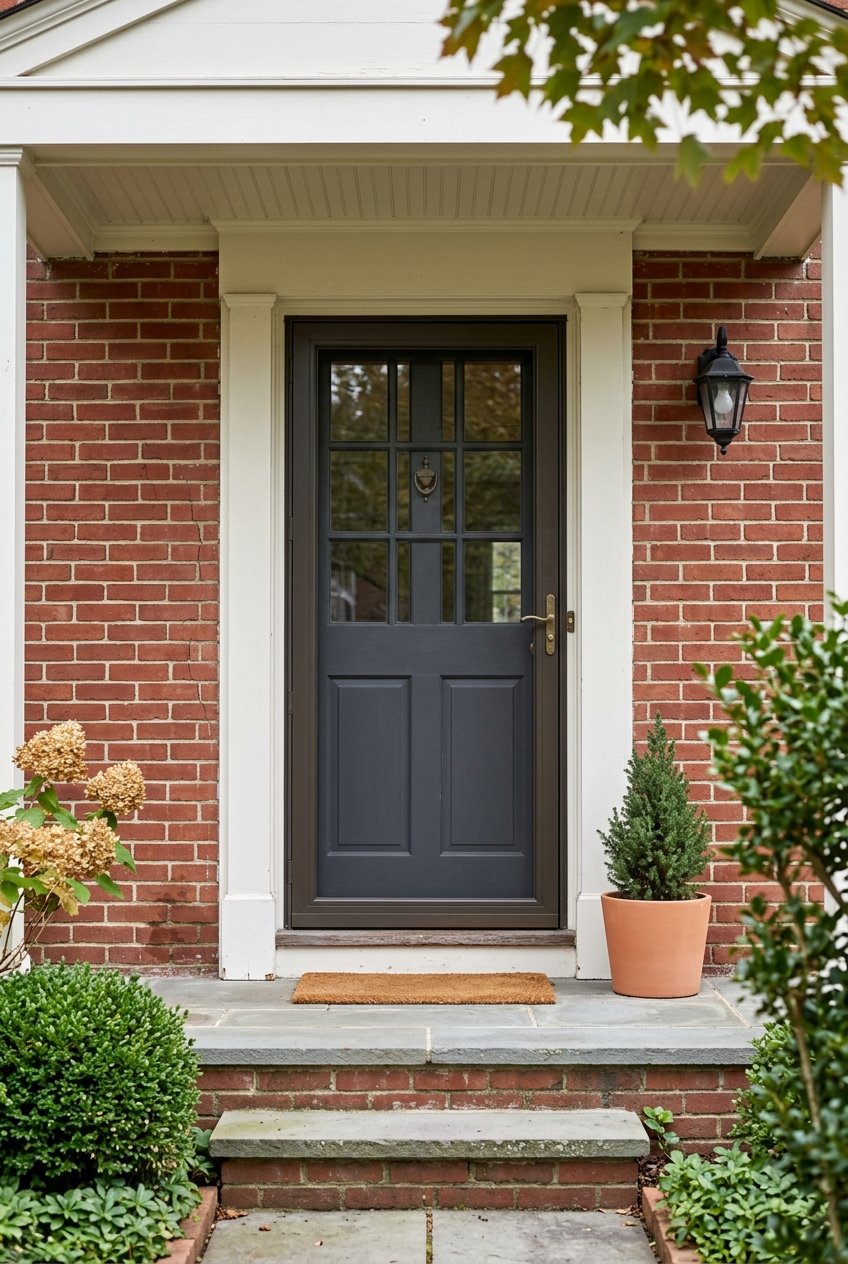
Thinking about buying a historic home in Allentown, NJ? It can be an exciting move, but it also comes with a different set of expectations than buying a newer house. If you love original details, classic architecture, and the feel of a preserved village setting, you also need to understand the local rules, inspection issues, and renovation realities that can come with an older property. This guide will help you understand what to expect before you buy, so you can move forward with more clarity and confidence. Let’s dive in.
Why Allentown Historic Homes Stand Out
Allentown Borough has a locally designated historic district that is also listed on the New Jersey Register of Historic Places and the National Register of Historic Places. Official preservation materials describe the district as a cohesive mix of residential, commercial, and religious buildings dating from the eighteenth through early twentieth centuries. The district includes 226 contributing historic sites and features a range of architectural styles, from Georgian and Federal to Italianate, Colonial Revival, and Bungalow.
For you as a buyer, that means the appeal often goes beyond the house itself. Many buyers are drawn to the continuity of the streetscape, the preserved front facades, and the sense of architectural history throughout the borough. In Allentown, historic character is part of what makes the area distinct.
Confirm Whether the Home Is in the District
One of the first things to verify is whether the property is actually inside Allentown’s designated historic district. Not every older home in the borough is automatically subject to the same preservation review standards. This is an important detail because local rules apply based on location, not just the age of the home.
New Jersey’s Historic Preservation Office notes that being listed on the New Jersey or National Registers does not by itself restrict a private owner’s rights. In practice, local zoning and borough preservation rules are what matter most for day-to-day ownership decisions. Before you make an offer, confirm the parcel location against the district map and ask for any records tied to prior exterior approvals.
Understand Allentown’s Preservation Review Process
If the home is in the historic district, certain exterior changes may require review by the Historic Preservation Commission. Under borough code, a certificate of appropriateness is required before demolition, exterior alterations, relocation, additions, or new construction can begin within the district. Interior work and true ordinary maintenance, as defined by the code, do not require that certificate.
The borough encourages an informal informational meeting before a formal application. Once a complete application is referred, the commission generally has 45 days to act. If you are planning visible exterior updates after closing, it is smart to understand this process early so your project timeline and budget are realistic.
What usually triggers review
Projects that commonly trigger preservation review include:
- Exterior additions
- Porch changes
- Window replacements
- Roof alterations or roof additions
- Siding changes
- Demolition of existing exterior features
- New detached structures or new construction
What may not trigger review
Some work may not require a certificate of appropriateness, including:
- Interior renovations
- Ordinary maintenance that fits the borough’s definition
- Repair work that does not alter the exterior appearance in a way covered by the code
Because the line between maintenance and alteration can matter, it helps to ask questions before starting work.
Expect a Repair-First Mindset
One of the biggest differences with a historic home in Allentown is that preservation guidelines favor repair before replacement. This can affect your plans for windows, siding, roofing details, and other exterior elements. If you are used to the idea of swapping older materials for newer products, the local standards may push you toward a more careful approach.
The borough’s design guidelines emphasize compatibility over imitation. Additions and new construction should be compatible with the existing property and neighboring buildings in size, massing, proportion, directional expression, materials, and design features. The guidelines also state that additions should generally go to the side or rear so the historic front facade remains intact.
Windows are a common example
Many older Allentown homes still have original wood windows. Local guidelines emphasize repair before replacement, and they note that historic wood windows can often be repaired, weatherstripped, and improved with storm windows. Exterior storm windows may improve performance while helping preserve the original units.
If you buy a historic home expecting every old window to be replaced right away with a lower-cost modern option, you may run into both budget surprises and preservation review questions. In many cases, repair may be the more appropriate path.
Roof changes need careful planning
Roof work can be more involved than you might expect in a historic district. The borough’s guidelines say that roof additions and changes should match the main roof’s pitch, eave overhang, and detailing. New work should not obscure the home’s historic character.
That does not mean you cannot improve the property. It means the visual impact of the work matters, especially from the street.
Prepare for Older-Home Inspections
A historic home inspection often raises different questions than a newer suburban home. While every property is unique, older houses may need updates to structural components, plumbing, electrical systems, HVAC, roofing, or porches. It is wise to go into the process expecting a more detailed review and a longer list of follow-up questions.
You should also think beyond the basic inspection report. Ask the seller for records of past repairs, any exterior approvals, and any known conditions that may affect your renovation plans. In a historic setting, paperwork can be almost as important as the physical condition of the house.
Watch for Lead-Based Paint
Lead-based paint is one of the most important issues to understand when buying an older home. According to EPA data, 87% of homes built before 1940 and 24% of homes built from 1960 to 1978 contain some lead-based paint. Since many historic homes in Allentown predate 1978, this is a very real due diligence item.
Federal rules require sellers of most pre-1978 homes to disclose known lead information and provide the required pamphlet before contract signing. If you plan to renovate after purchase, EPA also requires lead-safe certified contractors for renovation, repair, and painting projects that disturb lead paint in pre-1978 homes. This can affect both cost and contractor selection.
Ask About Possible Asbestos
Asbestos is another renovation concern that can come up in older housing. EPA advises that if a material may contain asbestos and it is damaged, or if planned work may disturb it, the material should be sampled by a properly trained and accredited asbestos professional. Materials in good condition are often best left alone, but remodeling can change that.
This matters if you are planning to open walls, remove flooring, rework insulation, or update old systems. If asbestos-containing materials are disturbed, repair or removal may require qualified professionals. That is another reason to build a realistic renovation budget before you close.
Know Your Financing Options
If the home needs substantial work, financing may look different from a standard purchase. HUD’s Section 203(k) program insures mortgages for the purchase or refinance and rehabilitation of a home that is at least one year old. Eligible improvements can include structural repairs, plumbing, HVAC, electrical, roofing, siding, gutters, porches, and other updates that are common in older homes.
For some buyers, that structure may help combine the purchase and renovation costs into one financing path. If you are considering a property that needs more than cosmetic work, ask early whether your renovation plan is minor maintenance, preservation review work, or a broader rehab that may fit a 203(k)-style approach. Mortgage referrals can also help you explore what options fit your situation.
Do Not Count on a Historic Tax Credit
A common misunderstanding is that buying a historic house automatically unlocks a tax credit for renovations. In reality, the federal 20% historic rehabilitation tax credit applies to certified historic structures used in a business or other income-producing activity. Owner-occupied residential properties do not qualify.
That means if you are buying a historic home in Allentown as your primary residence, you generally should not count on that federal credit in your budget. New Jersey guidance also notes that while some grants may exist for Register-listed properties, they are mainly aimed at government agencies and nonprofits. For a private buyer of a single-family home, it is best not to assume grant money will be available.
Questions to Ask Before You Make an Offer
Historic-home due diligence is often more document-driven and more material-specific than with a newer property. Asking the right questions early can help you avoid surprises after closing.
Here are some smart questions to raise before you move forward:
- Is the property inside Allentown’s designated historic district?
- Have there been any prior certificates of appropriateness for exterior work?
- Are there any open code or preservation violations?
- Which past repairs were completed with approval, if required?
- Does the seller have lead-based paint disclosures for the home?
- Are there any known materials that may contain asbestos?
- Are the windows, porch, roof, or siding original, repaired, or replaced?
- If you want to renovate, would the planned work likely count as ordinary maintenance or preservation review work?
Why Guidance Matters in a Historic Purchase
Buying a historic home can be incredibly rewarding, but it is rarely a plug-and-play purchase. You are not just buying square footage. You are buying into a preservation framework, a specific set of local review standards, and a house that may need a more thoughtful approach to updates and maintenance.
That is why local guidance matters. When you understand the district rules, know what to ask for during due diligence, and build a realistic plan for repairs or improvements, you can enjoy the character of an Allentown historic home without being caught off guard.
If you are considering a historic property in Allentown or nearby Monmouth County, Carla Z Campanella can help you navigate the process with clear communication, local insight, and practical next steps.
FAQs
What makes a home historic in Allentown, NJ?
- In Allentown, a home may be considered part of the historic district if it is located within the borough’s designated district, which is also listed on the New Jersey and National Registers of Historic Places.
Do Allentown historic homes require approval for renovations?
- Not all work requires approval, but exterior alterations, additions, demolition, relocation, and new construction in the historic district generally require a certificate of appropriateness before work begins.
Can you replace windows in an Allentown historic home?
- Possibly, but Allentown’s guidelines favor repair before replacement, especially for original wood windows, and exterior changes may require preservation review.
Should you worry about lead paint in an older Allentown home?
- Yes, it is a key due diligence item in pre-1978 homes because sellers must disclose known lead information and renovation work that disturbs lead paint may require lead-safe certified contractors.
Can you get a tax credit for restoring a historic home in Allentown?
- If the property is owner-occupied residential, the federal 20% historic rehabilitation tax credit generally does not apply because that credit is for certified historic structures used in a business or other income-producing activity.
What should buyers ask before purchasing a historic home in Allentown?
- Buyers should confirm whether the property is inside the historic district, request prior exterior approval records, ask about open violations, review lead disclosures, and discuss any suspected asbestos or major repair needs before closing.
